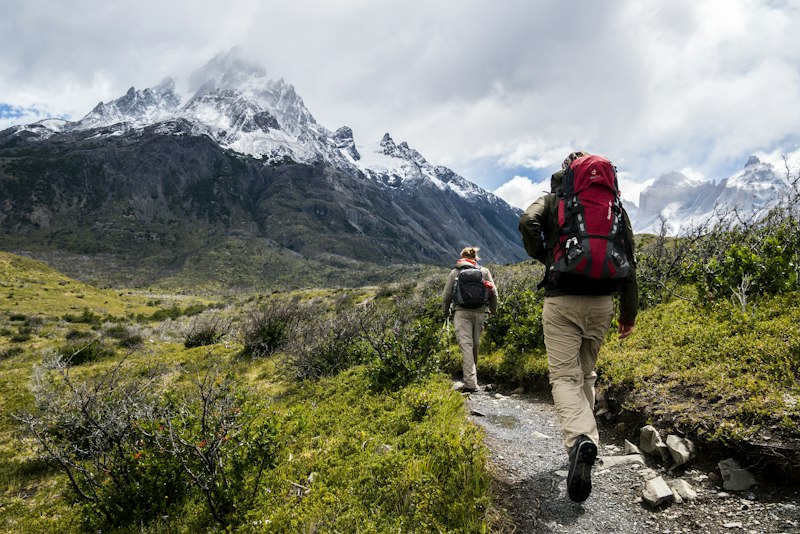
6,000+ people attempt Kedarkantha every winter season. Most are underprepared. Here's the complete, honest guide — best time, cost, fitness level, what to pack, and how to not ruin your trip.
Kedarkantha is the most popular winter trek in India. Every year between December and April, thousands of people summit this 12,500-ft peak in the Uttarkashi district of Uttarakhand, making it one of the most climbed mountains in the Himalayas.
And honestly? The hype is completely justified.
But it also means there's a lot of bad information out there — blogs that copy from each other, agencies selling the same cookie-cutter package, and first-timers showing up completely underprepared. This guide fixes all of that.
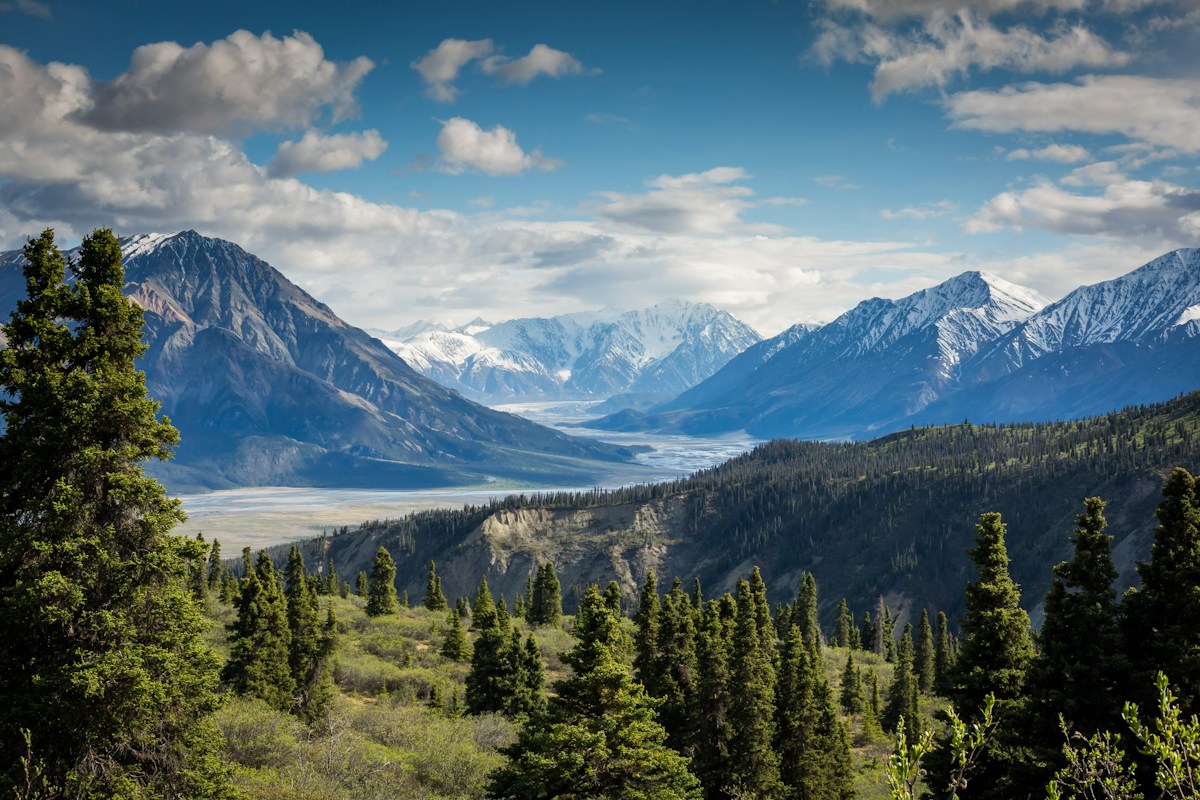
Kedarkantha summit at sunrise — one of the most photographed views in the Indian Himalayas
What Makes Kedarkantha Special
Let's start with why people actually love this trek:
**The summit view.** On a clear morning, you can see Swargarohini, Bandarpoonch, Kala Nag, Ranglana, and — on perfect days — even the distant outlines of the Gangotri range. It's a 360-degree panoramic view that most experienced trekkers rank among the best in the Himalayas.
**It's achievable.** At 12,500 ft (3,810m), it's high enough to feel like a real Himalayan achievement, but not so high that acclimatisation becomes a serious issue for healthy adults. No technical climbing required.
**The forest.** The trail passes through some of the most beautiful oak and pine forests in Uttarakhand. In winter, they're blanketed in snow. The campsite at Kedarkantha Base (at 11,250 ft) is one of the most surreal overnight spots you'll ever wake up at.
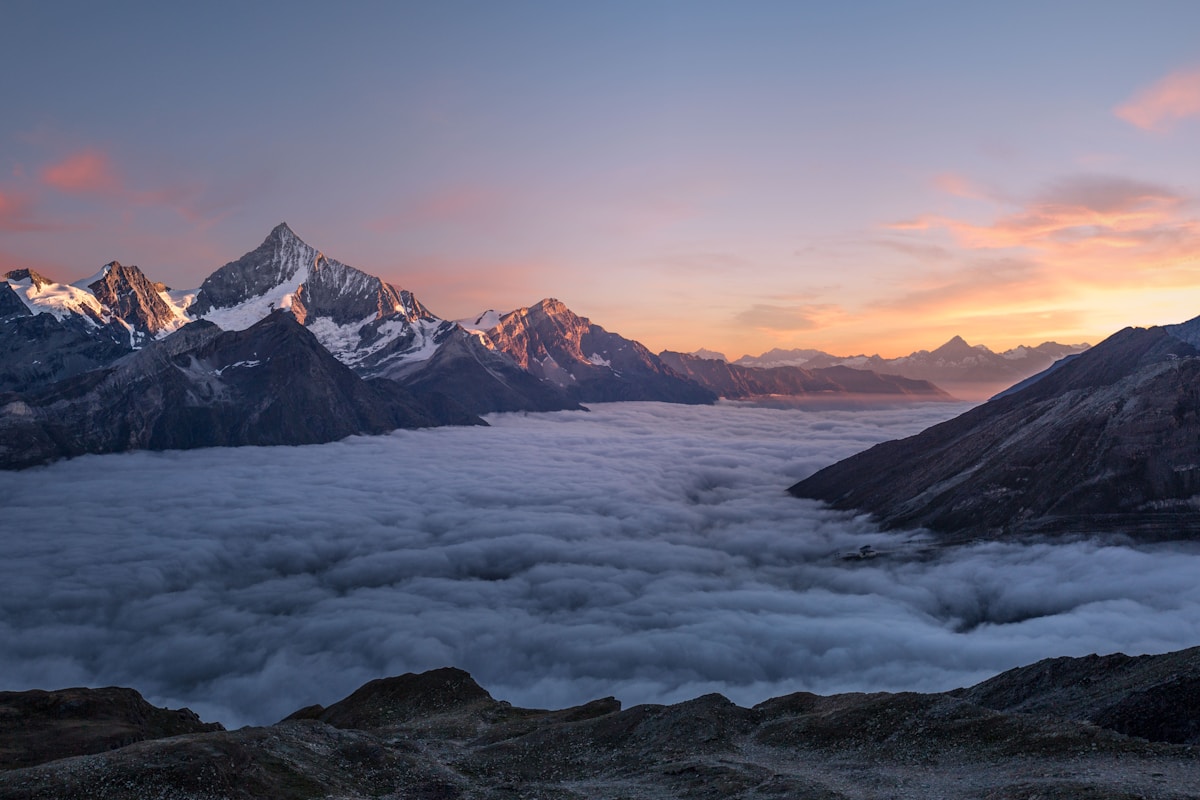
The oak and rhododendron forests of the Kedarkantha trail blanketed in winter snow
When to Do Kedarkantha: An Honest Month-by-Month Breakdown
This is where most guides mislead you. They say "best time is November to April" without telling you what each month actually looks like.
**November:** The snow hasn't arrived yet on the lower sections. The summit area might have thin snow. Views are crystal clear because the post-monsoon air is clean. Temperature at base camp: -5°C to -10°C at night. Crowd level: low. Verdict: underrated month. Go here for solitude.
**December:** First heavy snowfall usually hits mid-December. By late December the trail becomes the classic white wonderland everyone photographs. Temperature at base camp: -10°C to -18°C at night. This is the best month if you want the full white snow experience. Crowd level: medium.
**January:** Peak winter. Snow everywhere. Some years the trail is so deep with snow that agencies add crampons to the mandatory gear list. Temperatures can drop to -20°C at summit area before dawn. Not for first-timers in extreme cold. Crowd level: medium-low.
**February:** Similar to January but slightly warmer. School and college groups start arriving. Crowd level: medium.
**March:** Snow starts melting at lower elevations but summit area still has excellent snow. Perfect balance of accessibility and snow cover. Crowd level: high (peak season). Book agencies 2–3 months in advance.
**April:** Last chance for snow. The summit usually retains snow until mid-April. After that, it's a dry-trail summer trek — still beautiful, but not the iconic Kedarkantha experience most people come for. Crowd level: medium-low.
How Fit Do You Need to Be?
Kedarkantha is officially classified as an "easy-moderate" trek. That classification is accurate — but "easy" in the Himalayas means something different from easy at sea level.
**You're probably fine if you:** walk 5–8km regularly, can climb 4–5 floors of stairs without stopping to catch your breath, have no known cardiac or respiratory conditions.
**You should prepare more if you:** sit at a desk all day and haven't exercised in months, smoke regularly, or have had issues with altitude or cold weather before.
**The actual training recommendation:** 6–8 weeks of cardio before the trek. Daily walks of 5–7km. Stair climbing 3–4 times a week. Add weight to your backpack as the trek approaches. The summit day involves 4–5 hours of continuous climbing with 1,200ft of elevation gain — your legs need to be ready.

Summit day push — the final ridge walk to Kedarkantha peak is one of the most rewarding experiences of the trek
The Complete Itinerary
Most agencies run a 6-day itinerary. Here's what that actually looks like:
**Day 0:** Travel to Dehradun. You need to reach Dehradun independently — it's 6–8 hours from Delhi by train or 7–9 hours by bus. Night stay in Dehradun.
**Day 1 — Dehradun to Sankri (200 km, ~7–8 hours drive):** This is the base village for Kedarkantha. The drive takes you through Mussoorie, Nainbag, Purola, and Mori. Arrive at Sankri (6,400 ft), check into homestay.
**Day 2 — Sankri to Juda Ka Talab (3.5 km, ~3 hours):** The first trekking day is an easy warm-up. You gain about 1,200 ft to reach Juda Ka Talab ("Twin Lakes") at 9,100 ft. In winter the lake is frozen and the campsite is in the middle of a dense oak forest.
**Day 3 — Juda Ka Talab to Kedarkantha Base (4 km, ~4 hours):** The trail becomes steeper. You emerge from the forest into open alpine meadows. The base camp at 11,250 ft is your highest overnight stop.
**Day 4 — Summit Day and descent to Hargaon (full day):** The summit push starts at 4–5 AM to hit the top at sunrise. It's 3–4 hours up, 2–3 hours down. The descent from summit continues to Hargaon camp (9,350 ft).
**Day 5 — Hargaon to Sankri (6 km, ~4 hours):** Mostly downhill. Quiet, reflective trail back through the forest.
**Day 6 — Sankri to Dehradun:** Drive back.
What Does Kedarkantha Cost?
The price range is ₹8,500 to ₹25,000 depending on the agency and what's included.
**Budget end (₹8,500–₹11,000):** Shared accommodation, basic food, group size 15–20, transport not included. These exist and some are fine — but vet carefully.
**Mid-range (₹12,000–₹18,000):** Where most reputable agencies sit. Includes transport from Dehradun, accommodation, meals, experienced guide, basic camping gear. Group size 8–12.
**Premium (₹20,000–₹25,000):** Smaller groups (4–8 people), IMF-certified guides, better equipment, emergency oxygen, satellite phone.
**What's almost never included:** your travel to and from Dehradun, personal gear, travel insurance, tips for guides and support staff.

Traditional stone houses in Sankri village — the starting point of the Kedarkantha trek
What to Pack: The Non-Negotiable List
**Clothing layers:** thermal base layer, fleece mid-layer, waterproof outer jacket, waterproof trekking pants, 2–3 pairs of wool socks, thermal socks, waterproof gloves, balaclava, warm beanie.
**Footwear:** ankle-support waterproof trekking boots, broken in before the trek. Do not attempt in running shoes.
**Other essentials:** sunscreen SPF 50+, polarised sunglasses, headlamp (mandatory for 4 AM summit start), Diamox, Ibuprofen, ORS, blister plasters.
Booking Your Trek: What WildRoute Does Differently
Most people book Kedarkantha through a random Google search or a Delhi travel agent who outsources to a Sankri operator you know nothing about. WildRoute lists only verified, certified Kedarkantha operators directly — agencies whose guides are certified and whose past trekkers have reviewed them. Compare prices, read real reviews, enquire directly. No middlemen, no surprises.
Ready to book your next adventure?
WildRoute verifies every agency before they go live — so you book with confidence.
Join the Waitlist — It's Free