
Every year, thousands of trekkers lose money — and some lose their lives — to fake or negligent adventure operators in India. These 13 red flags will save you.
Let me tell you about a WhatsApp conversation that cost a group of six college students ₹84,000.
They found a "trekking agency" on Instagram. Beautiful reels. Thousands of followers. They paid 50% upfront — ₹14,000 per person — for what was advertised as an 8-day Har Ki Dun trek with camping, meals, certified guides, and emergency support.
On Day 3, their "guide" said he had a family emergency. He never came back. They were at 11,000 ft with no map, no satellite phone, no spare food.
They made it down safely. Others haven't.
This happens every single trekking season. And almost every time, the warning signs were there — the trekkers just didn't know what to look for.
Here are 13 of them.
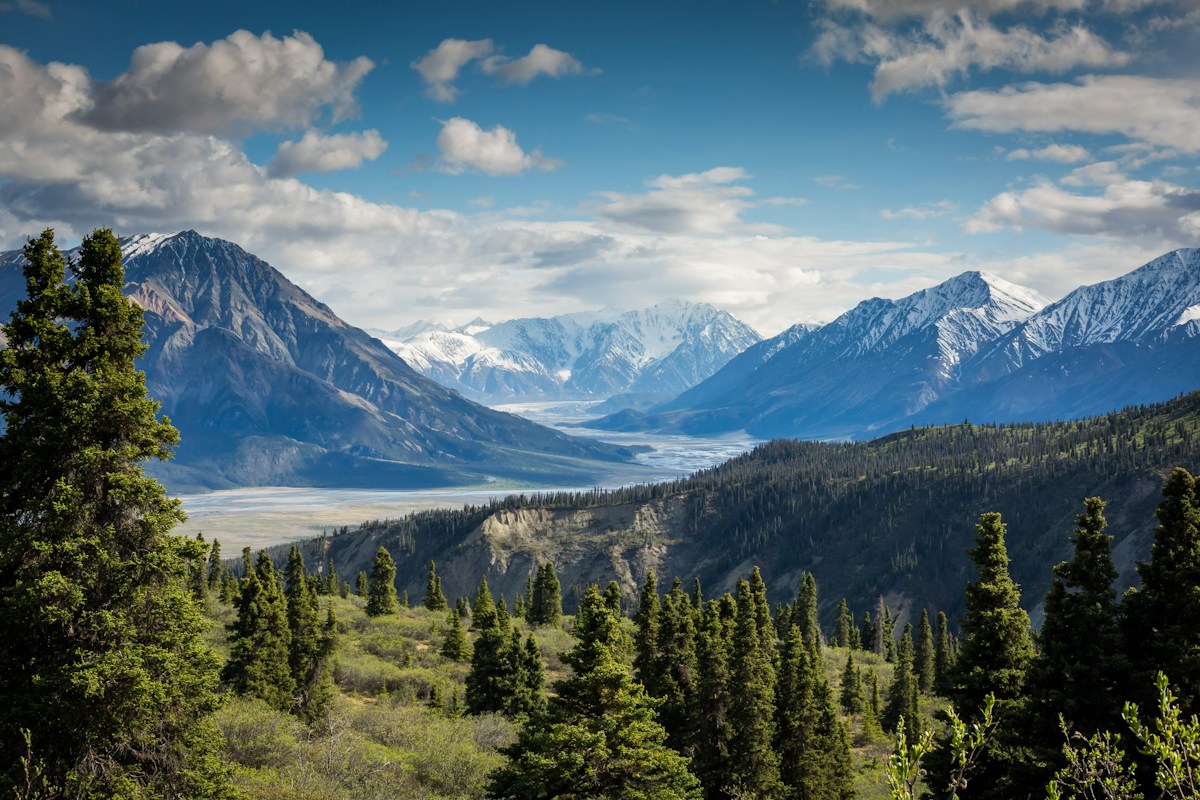
Trekkers on a Himalayan ridge — when something goes wrong at altitude, the consequences are serious
1. They Have No GST Number (or Won't Share It)
Every legitimate business in India with revenue above ₹20 lakh is GST-registered. If an agency can't share a GST number or gets defensive when you ask — stop right there. Verifying takes 15 seconds at gst.gov.in.
2. The Price Is Suspiciously Low
If the going rate for a Kedarkantha trek is ₹11,000–₹16,000 and someone quotes ₹5,500, ask yourself: where is the money coming from? Certified guides, tents, sleeping bags, emergency oxygen, transport — all cost money. Below-market pricing means corners are being cut somewhere.
3. They Can't Name Their Guides' Certifications
Ask: "Can you tell me my guide's name and certification?" The correct answer names a certification from IMF, NIM, HIM, or a state tourism authority. "Our guides are very experienced" is not an answer.
4. Their Google Reviews Are All 5-Star and Posted the Same Week
Filter reviews by newest first. If you see 15–20 five-star reviews posted within 2 weeks of each other with generic content like "great experience! highly recommend!" — those are almost certainly bought in bulk. Real reviews have specific details: guide names, weather, what went wrong and how it was handled.

Check trail conditions and emergency protocols before booking
5. There's No Written Agreement or Receipt
Any legitimate agency provides a written booking confirmation listing the trek name, dates, exact inclusions, total cost, and cancellation policy. If they ask you to pay via UPI with no written confirmation — you have no protection if anything goes wrong.
6. They Don't Ask About Your Fitness or Medical History
Legitimate agencies ask about your fitness level, respiratory or cardiac conditions, altitude experience, and medications before accepting your booking. An agency that signs you up for a 20,000-ft summit without a single health question doesn't understand what they're selling.
7. The "Emergency Protocol" Is "Don't Worry, Nothing Will Happen"
Ask every agency: "What is your emergency evacuation protocol if someone gets severe altitude sickness on Day 4?" The correct answer involves satellite communication, nearest hospital location, emergency descent plan, and whether they carry supplemental oxygen. Vague reassurance is not a protocol.
8. They're Unregistered With State Tourism Boards
Most Indian states maintain registries of certified adventure operators. Uttarakhand has UTDB, Himachal has HPTDC. Ask if they're registered. Then check. It takes 5 minutes and eliminates a huge category of risk.

High altitude camping — you're trusting your safety to your equipment and your guide
9. They Operate Exclusively on WhatsApp or Instagram DMs
There's nothing wrong with WhatsApp communication — many small legitimate agencies use it. The red flag is when that's the only way they operate. No email, no website, no physical office address. Legitimate agencies have at least a professional email and a verifiable address in the state they operate.
10. The Group Size Is Unlimited
Ask: "What is the maximum group size for this trek?" The correct answer is 10–15 people per guide. When you have 25 people and 1 guide, the guide cannot monitor everyone's acclimatisation and safety. This is dangerous on challenging terrain.
11. They Can't Tell You Exactly What's Included
Ask for a line-by-line breakdown. Every legitimate agency can tell you exactly: which meals on which days, what type of accommodation, what gear is provided, whether transport is included, and which permits are covered. "Everything is included" almost certainly means it isn't.
12. Negative Reviews Are Replied to Aggressively
Check how they respond to negative reviews. Legitimate agencies acknowledge problems and explain how they were handled. Fake or negligent agencies respond with hostility or claim the reviewer "was never their customer."
13. Something Feels Off and You're Ignoring It
Trust your instincts. If the communication has been vague, the pricing has shifted, responses take days, or something just doesn't feel right — listen to that feeling. There are hundreds of legitimate, certified, genuinely passionate adventure agencies across India. You don't need to compromise.
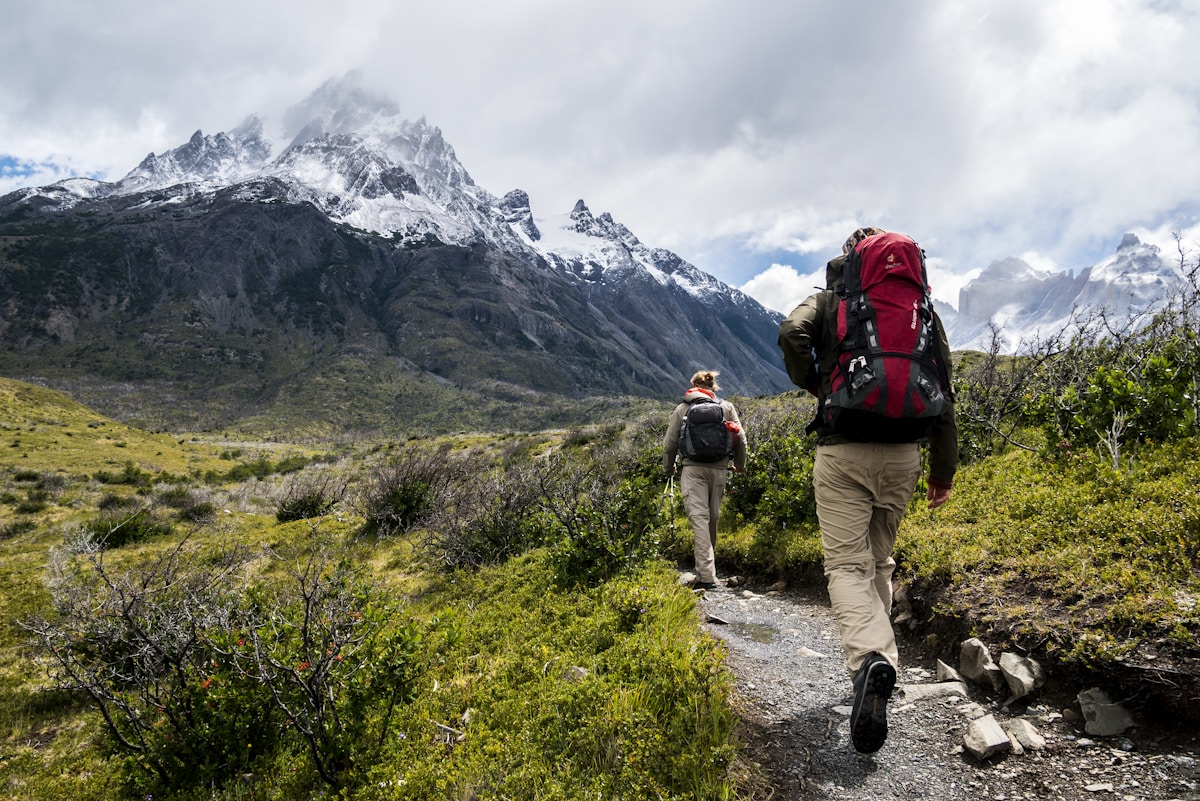
The reward of a safe, well-planned trek — a summit view that makes every preparation step worth it
How WildRoute Is Different
WildRoute was built because we were frustrated by exactly this problem. We manually verify every agency on our platform — GST registration, guide certifications, safety equipment, and real reviews. No agency goes live without passing our checks.
Browse verified agencies at gowildroute.com — and if you find any agency using these tactics, report them to your state tourism board. It might save someone else's trip. Or more.
Ready to book your next adventure?
WildRoute verifies every agency before they go live — so you book with confidence.
Join the Waitlist — It's Free